
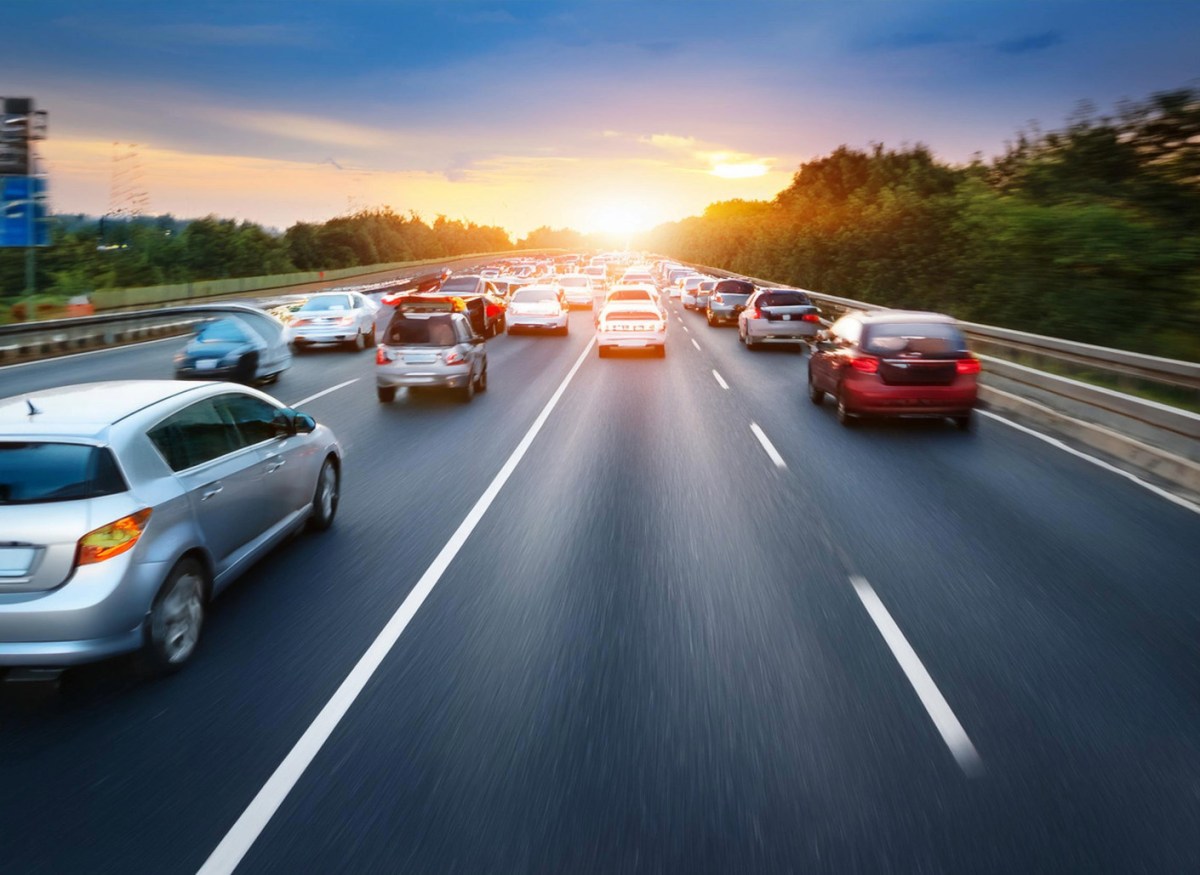
Over the last three decades global traffic volumes have seen a significant rise, influenced by various factors, including population growth, urbanisation, economic development, and technological advancement. This increase has raised several challenges and opportunities for urban planning, transportation infrastructure, and environmental sustainability.
We’ve all stories from our youth about what road trips were like, and that they are just not the same. People today talk about how driving isn’t the same – and they are right. As the world human population has grown, so has the number of vehicles, changing the character of driving forever.
Factors Contributing to Increased Traffic Volumes
- Population Growth
The world’s population has steadily increased, with urban areas experiencing faster growth. More people living in cities leads to higher demand for transportation services. - Economic Development
As countries develop, they often experience a rise in disposable incomes, leading to increased vehicle ownership and road usage. Emerging economies, in particular, have seen a boom in car sales. - Urbanisation
Rapid urbanisation has resulted in more vehicles on the roads, as people migrate from rural to urban areas for better opportunities, thereby increasing traffic density. - Technological Advancements
Improvements in transportation technology, including better engines, vehicle design, and navigation systems, have contributed to the rise in vehicle efficiency, albeit with increased traffic volumes. - Changes in Lifestyle and Work Patterns
Modern work habits, such as remote working and flexible hours, have changed commuting patterns, often resulting in increased traffic.
- Environmental Concerns
Higher traffic volumes contribute to air pollution, greenhouse gas emissions, and noise pollution, impacting overall public health and contributing to climate change. - Infrastructure Strain
Transportation infrastructure is often under strain due to increased traffic, leading to problems such as congestion, longer travel times, and increased road wear and tear. - Economic Implications
While increased traffic can signify economic growth, it can also lead to increased costs related to fuel, vehicle maintenance, and lost productivity due to congestion.
To address the challenges of increasing traffic volumes, several strategies can be implemented:
- Investment in Public Transportation
Enhancing public transport options can reduce reliance on personal vehicles and help alleviate traffic congestion. - Sustainable Urban Planning
Developing cities with a focus on sustainability can manage growth effectively, promoting walkability, cycling, and efficient public transportation systems. - Technological Innovations
Adopting smart traffic management systems and exploring autonomous vehicle technologies can also help optimize traffic flow and reduce congestion.
Over the past 30 years, increasing traffic volumes have posed significant challenges and opportunities globally. Addressing the impact of this rise requires a multifaceted approach involving sustainable practices, innovative transportation solutions, and effective urban planning to create livable cities for future generations.

 Morne Condon